What Color Dress Works Best for Your Skin Tone
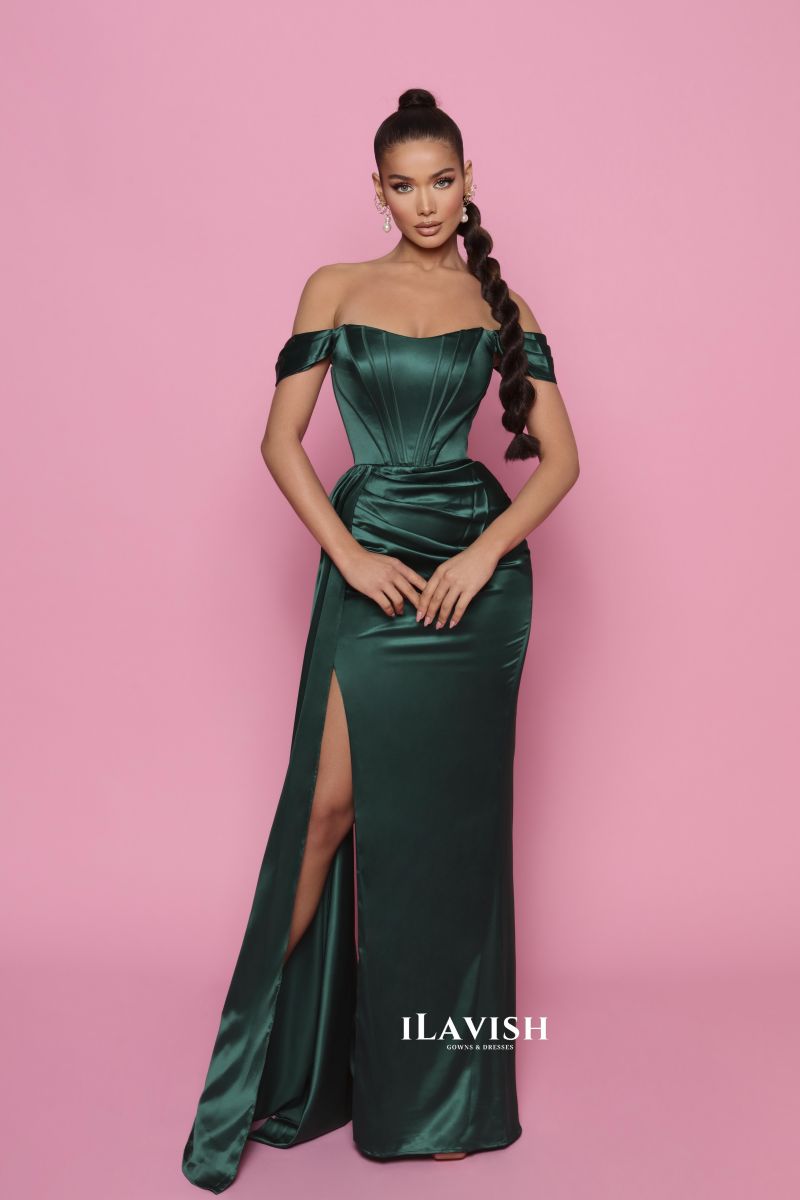
Choosing the right dress is not only about silhouette or design.
Color plays an equally powerful role.
It affects how your skin looks, how your presence is perceived, and how your entire look appears—both in real life and in photos.
In Kuala Lumpur, where lighting, venues, and photography styles vary, choosing the right color is no longer optional.
It is essential.
Because the difference between looking good and looking refined often comes down to one detail:
Color alignment.
Why Dress Color Matters More Than You Think
A gown can be beautifully designed.
But if the color does not complement your skin tone, the result can feel off.
The right color can:
- brighten your complexion
- enhance natural undertones
- create a more balanced, elegant appearance
The wrong color can do the opposite.
This is why color is not decoration.
It is strategy.
If you are building your full look, you can
explore bridal accessories and styling
→ https://ilavishgowns.com/news/14
Understanding Your Skin Tone
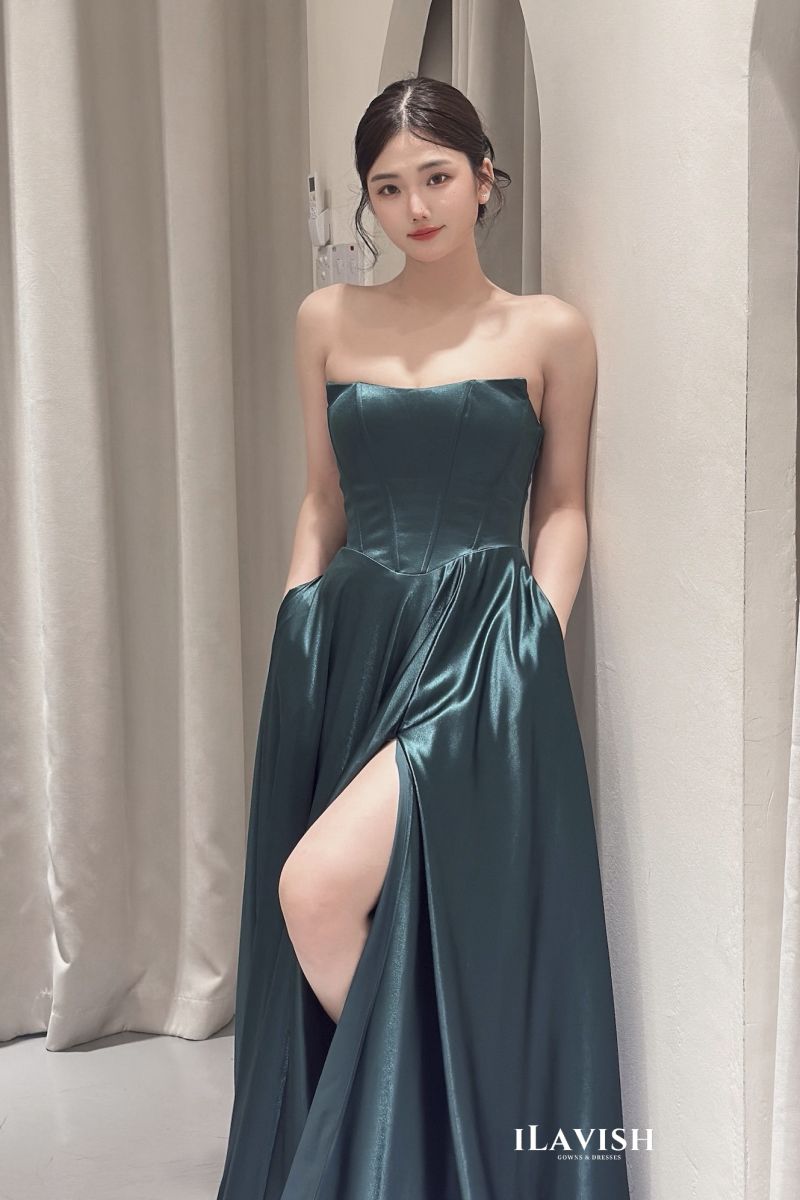
Before choosing a gown color, you need to understand your undertone.
There are three main types:
1. Warm Undertone
- Skin has yellow, golden, or olive hues
- Veins appear greenish
2. Cool Undertone
- Skin has pink, red, or bluish hues
- Veins appear bluish
3. Neutral Undertone
- A mix of both warm and cool
- More flexibility in color choices
Understanding this helps you choose colors that naturally enhance your appearance.
Best Dress Colors for Each Skin Tone
Warm Skin Tone
Best colors:
- gold
- champagne
- warm beige
- earthy tones (olive, rust)
- warm reds
Avoid:
- overly cool tones (icy blue, silver)
Cool Skin Tone
Best colors:
- silver
- icy blue
- emerald
- deep burgundy
- cool pastels
Avoid:
- overly yellow or orange-based shades
Neutral Skin Tone
Best colors:
- soft neutrals
- dusty pink
- jade
- balanced tones (not too warm or cool)
Neutral tones allow more flexibility—but balance is still key.
How Accessories Influence Color Perception
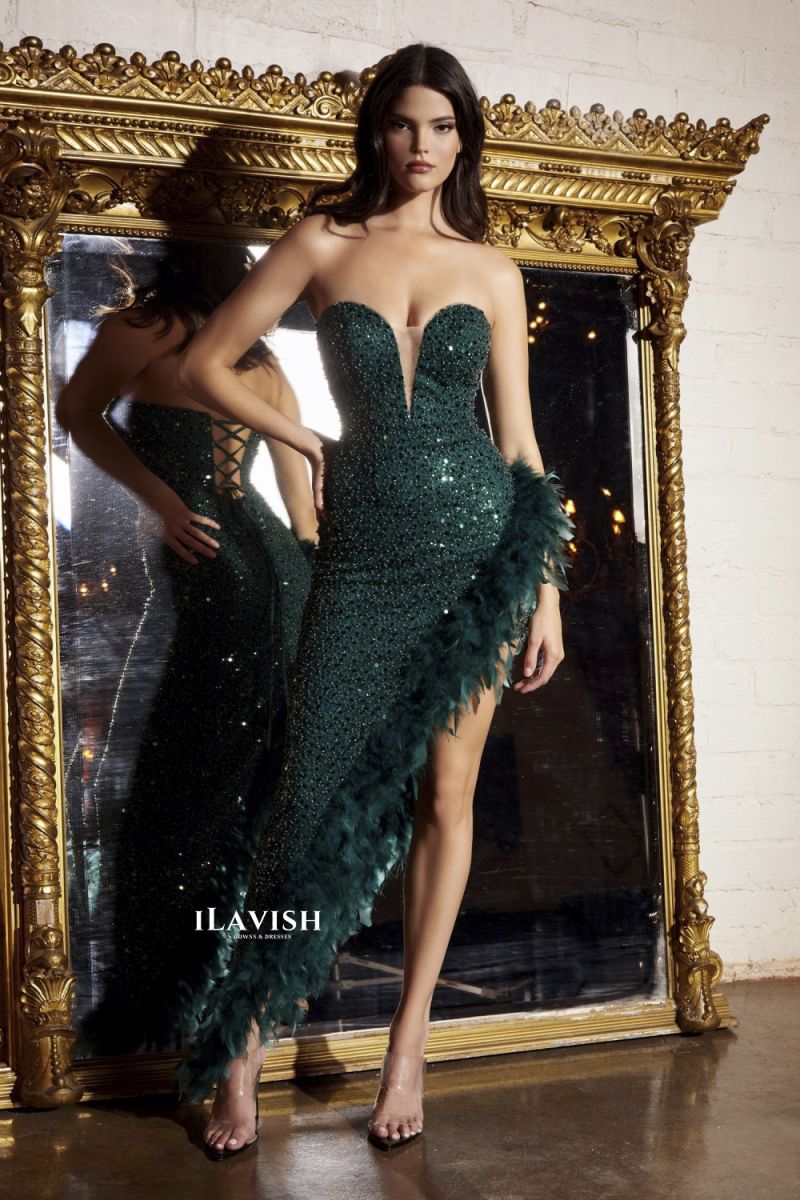
Color does not work alone.
Accessories can enhance—or disrupt—the effect.
Gold jewelry → enhances warm tones
Silver jewelry → enhances cool tones
Pearls → create softness and balance
To understand how everything connects, you can
learn how accessories complete your look
→https://ilavishgowns.com/news/24
Color Trends in Kuala Lumpur
Modern styling in Kuala Lumpur is shifting toward:
- muted tones
- soft neutrals
- deep, refined colors
Less contrast.
More harmony.
This reflects a global movement toward quiet luxury.
To explore more, you can
discover the latest gown trends in Kuala Lumpur
→ https://yourwebsite.com/evening-gown-trends (#23 Related Blog)
Common Mistakes When Choosing Dress Color
Many women:
- choose colors based on trend
- follow what looks good on others
- ignore lighting and photography
Instead, focus on:
- your skin undertone
- event lighting
- overall styling harmony
How to Choose the Right Color for Your Event
Consider:
Day events:
lighter tones, soft neutrals
Evening events:
deeper tones, richer colors
Formal settings:
classic colors like black, navy, champagne
The goal is not to stand out randomly.
It is to stand out with intention.
Dress Color Skin Tone
What color dress makes skin look brighter?
Colors that match your undertone will naturally enhance brightness.
Can I wear any color if I like it?
Yes—but adjusting accessories and makeup helps balance it.
Is black always flattering?
Black is universally elegant, but not always the most enhancing for every skin tone.
Conclusion
A gown creates the silhouette.
Styling creates the presence.
But color defines how everything is perceived.
In Kuala Lumpur, where fashion is becoming more refined, the most elegant looks are not the most dramatic.
They are the most aligned.
Because when color works with your skin—not against it—
everything feels effortless.